July 2026

Fluid, Project, Study

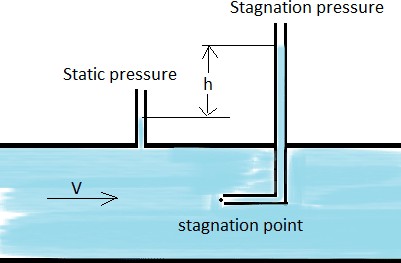
Hydrodynamic Pressure Profiling via a Low-Cost Pitot-Static Tube

Introduction Measuring the velocity of a fluid without disturbing its flow has been one of the most enduring problems in engineering. One of the easiest ways to solve this problem is by using the Pitot-static tube, an invention that dates back to 1732 when it was used by Henri Pitot to measure the velocity of […]
Fluid Dynamics

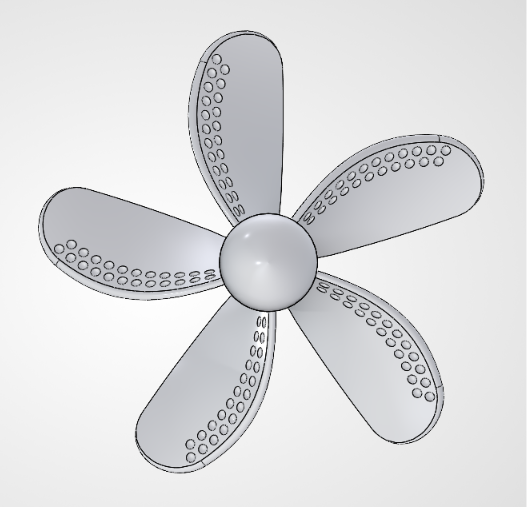
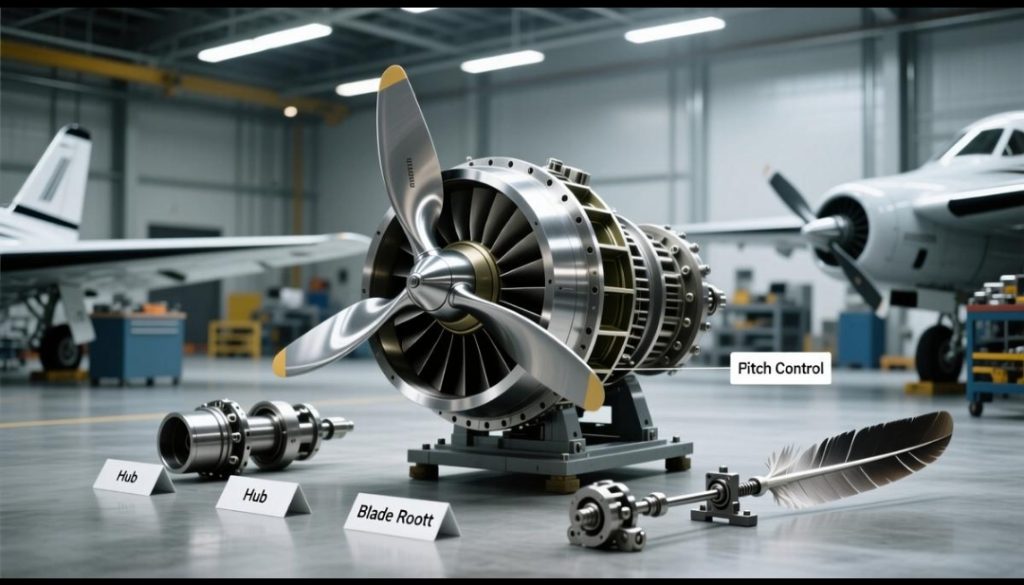
Propeller Theory: How Rotating Blades Create Thrust

When we see an aircraft taking off or a drone hovering in the air, one of the most important components responsible for its motion is the propeller. Although it may appear to be a simple rotating device, a propeller is actually a carefully designed aerodynamic system that converts the engine's rotational power into forward motion.

Fluid, Project, Study

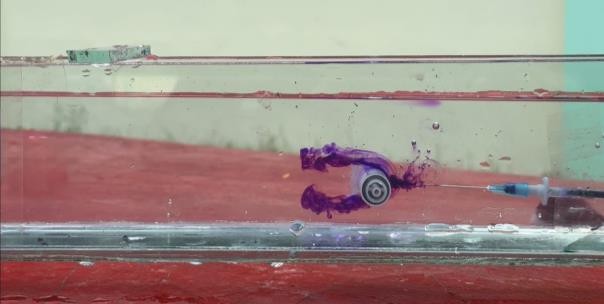
Observation of Flow Patterns Around a Cylinder

INTRODUCTION Flow pattern around a cylinder occurs when the boundary layer, slowed by viscous friction, cannot overcome the adverse pressure gradient encountered along the rear surface. As fluid moves past the cylinder’s maximum thickness, it decelerates, causing the pressure to rise in the direction of flow. This pressure increase forces the boundary layer to detach

Fluid, Project, Study

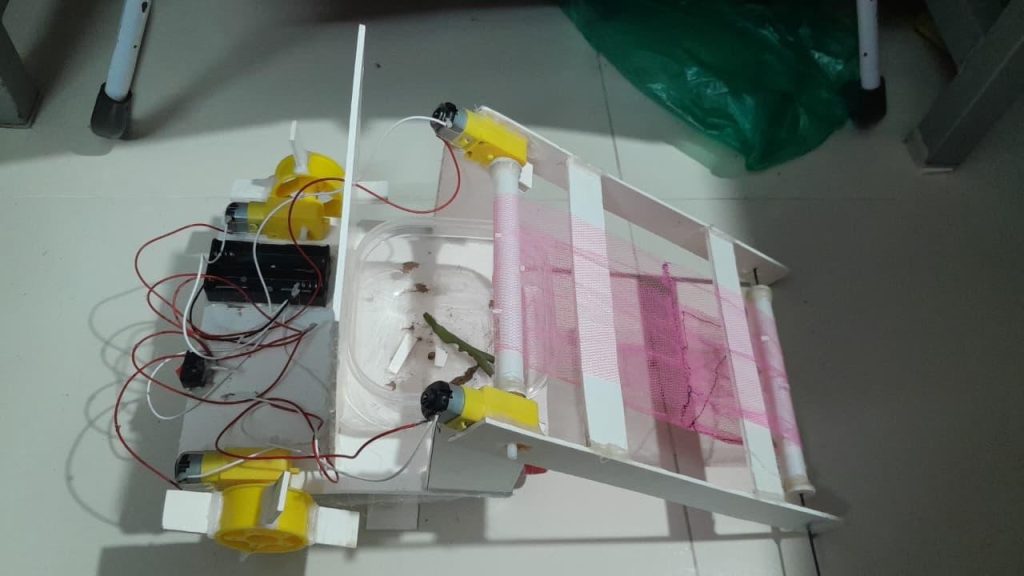
RIVER SURFACE WASTE CLEANING BOAT

Introduction Water pollution is a significant environmental challenge particularly floating plastic waste and debris. To address this issue on pond, this project introduces a River Cleaning Boat which is a floating mechanical device designed to actively collect surface waste from water bodies. Definition and Type of Concept Our project operates on a conveyor belt mechanism

Fluid, Project, Study

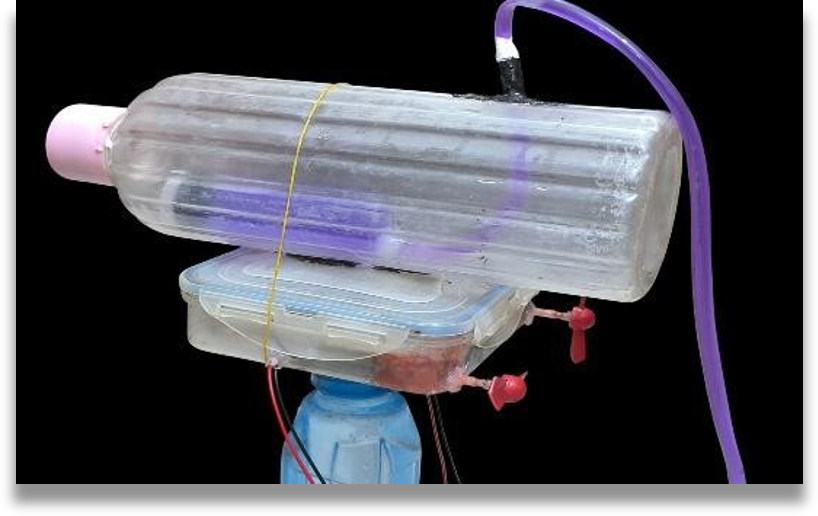
DESIGN, FABRICATION AND BUOYANCY ANALYSIS OF A TWIN-MOTOR, DIFFERENTIAL-THRUST MINIATURE SUBMERSIBLE SYSTEM

Introduction Fluid statics deals with fluids at rest and a central result is Archimedes’ Principle any object that is completely or partially submerged in a fluid experience an upward force, called the buoyant force, equal to the weight of the fluid that the object displaces. This one principal accounts for why ships float, why a

Fluid, Project, Study

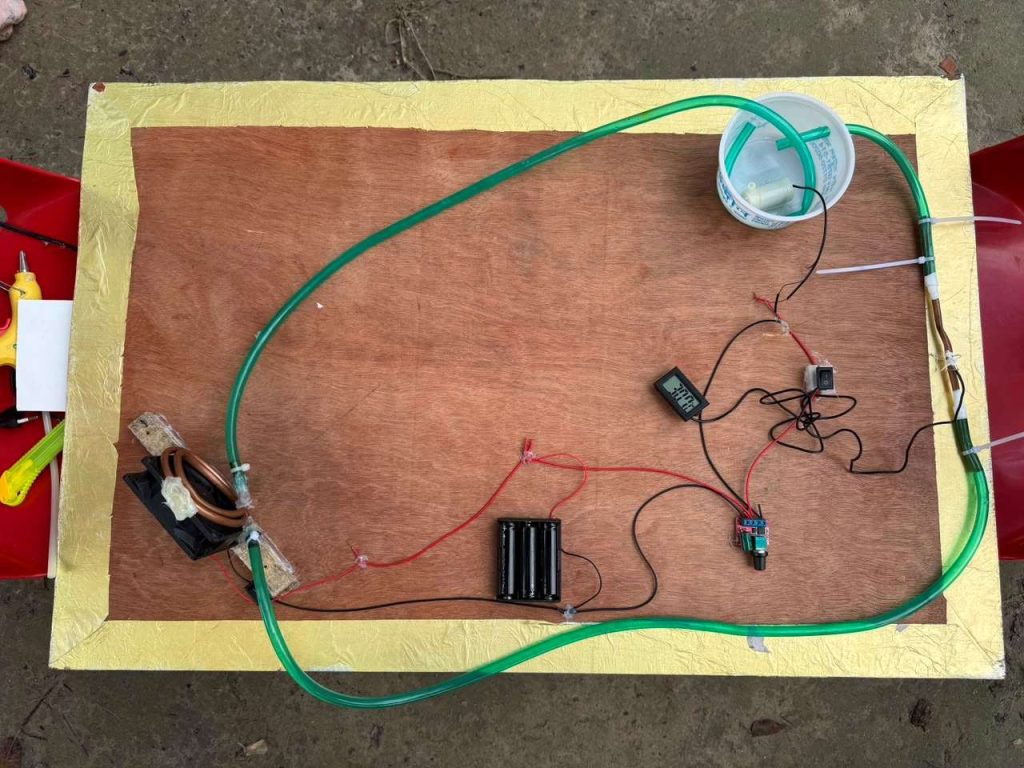
Liquid Cooling System Optimization based on Reynolds Number

Introduction Liquid cooling systems have a variety of applications in different industries and technologies like automobiles, smartphones and manufacturing. Due to the higher thermal conductivity and specific heat capacity of liquids, they are more efficient compared to gaseous cooling systems. Especially for spaces where the natural airflow cannot be used for effective direct cooling, liquids

CAD, Fluid, Project

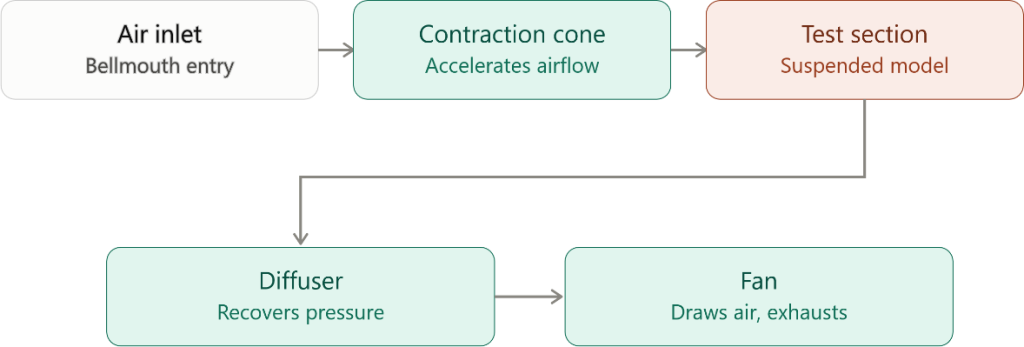
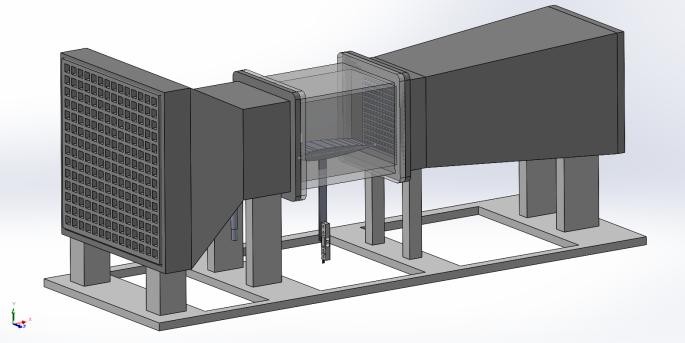
Design, CFD Analysis, and Experimental Validation of a Low-Cost 3D-Printed Wind Tunnel Using NACA 0015 Airfoil

Introduction Wind tunnels are essential tools for investigating aerodynamic characteristics and evaluating the performance of airfoils, aircraft, and other engineering structures under controlled airflow conditions. They provide accurate measurements of aerodynamic forces such as lift and drag, which are important for aerodynamic design and validation. Although Computational Fluid Dynamics (CFD) has become a widely used

Fluid, Study

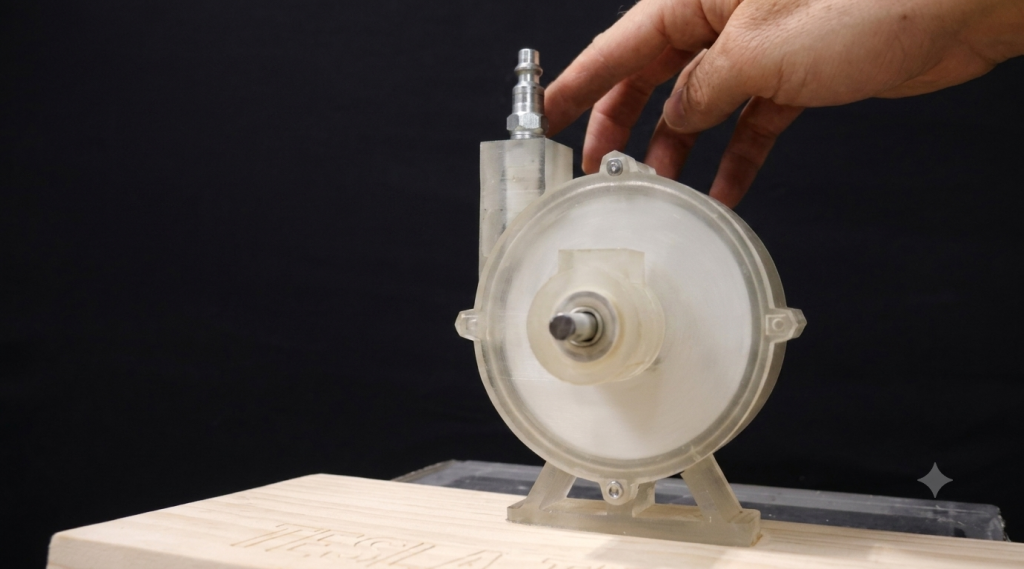
Tesla Turbine

History: Tesla began experimenting with boundary layer fluid dynamics around 1906. He first publicly showcased a working 200 horsepower model running at 16000 RPM on his 50th birthday July 10, 1906. Tesla filed for his primary turbine patent on October 21, 1909. It was officially granted as U.S. Patent 1061206 on May 6,1913. In a

Scroll to Top