Fluid Dynamics

CFD, Fluid, Fluid Dynamics, Study

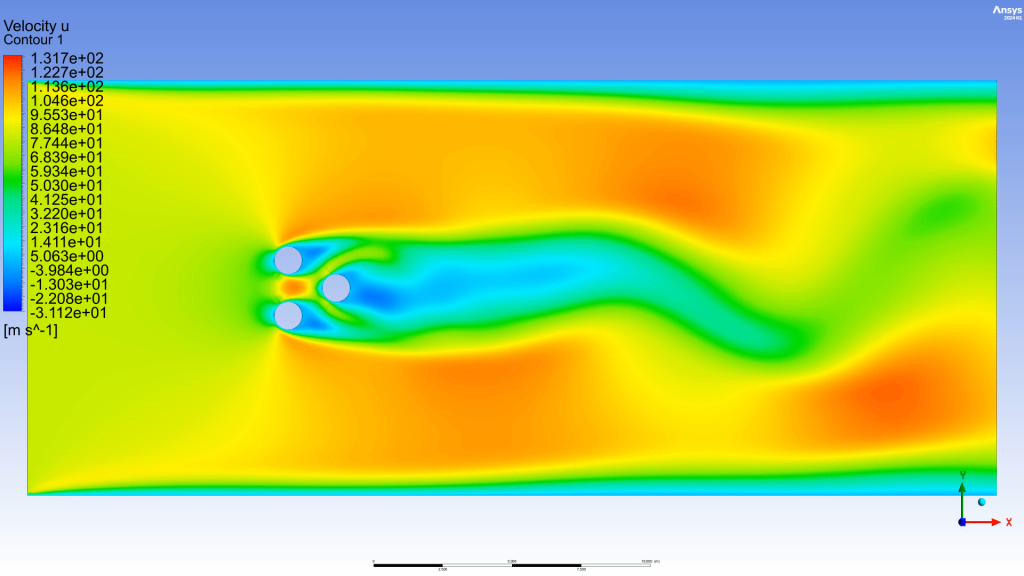
Comparative CFD Analysis of Von Kármán Vortex Streets for Various Circular Cylinder Configurations

Introduction The flow around bluff bodies, particularly circular cylinders, is a fundamental topic in fluid mechanics due to its importance in engineering applications such as heat exchangers, offshore structures, bridge piers, chimneys, and tube banks. When fluid flows past a circular cylinder, the boundary layer separates from the surface because of an adverse pressure gradient, […]
Fluid Dynamics

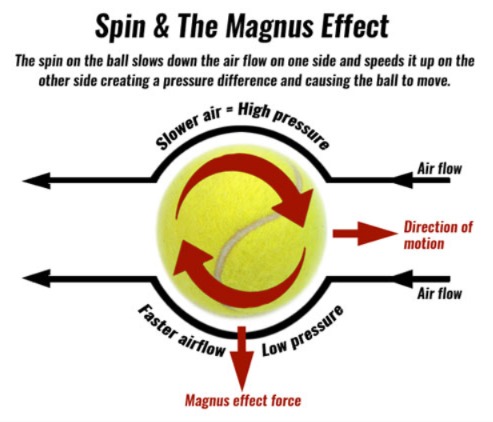
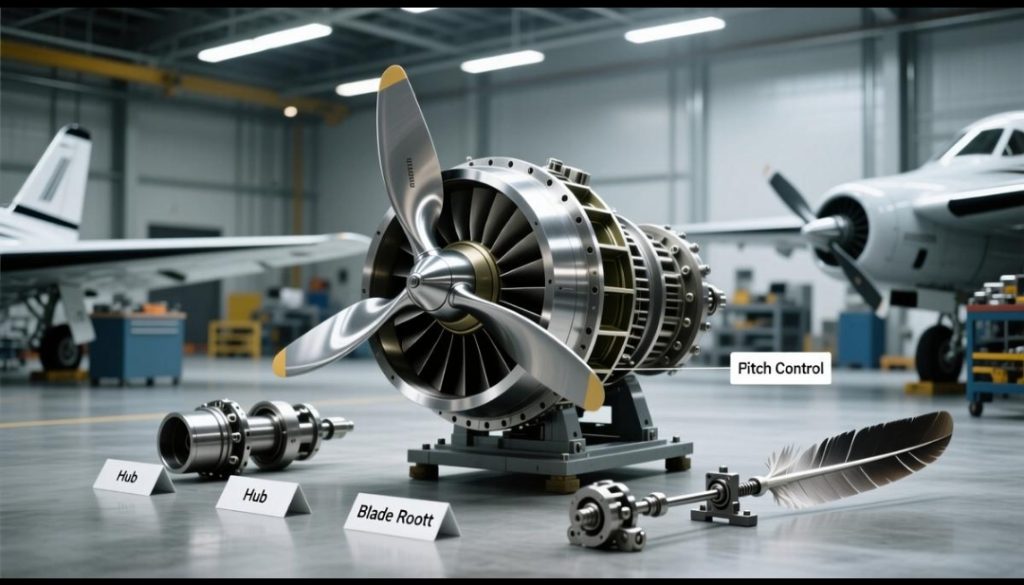
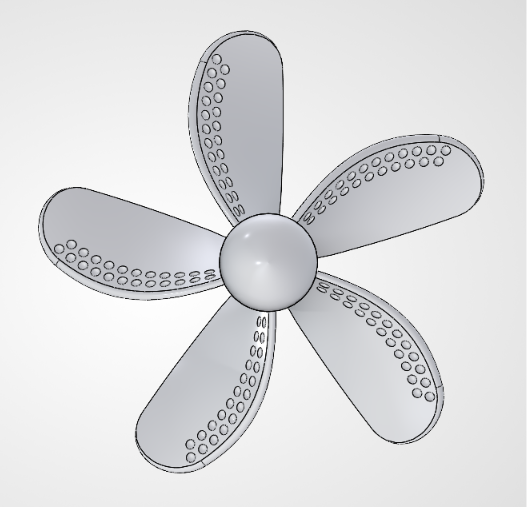
Propeller Theory: How Rotating Blades Create Thrust

When we see an aircraft taking off or a drone hovering in the air, one of the most important components responsible for its motion is the propeller. Although it may appear to be a simple rotating device, a propeller is actually a carefully designed aerodynamic system that converts the engine's rotational power into forward motion.

Fluid, Fluid Dynamics

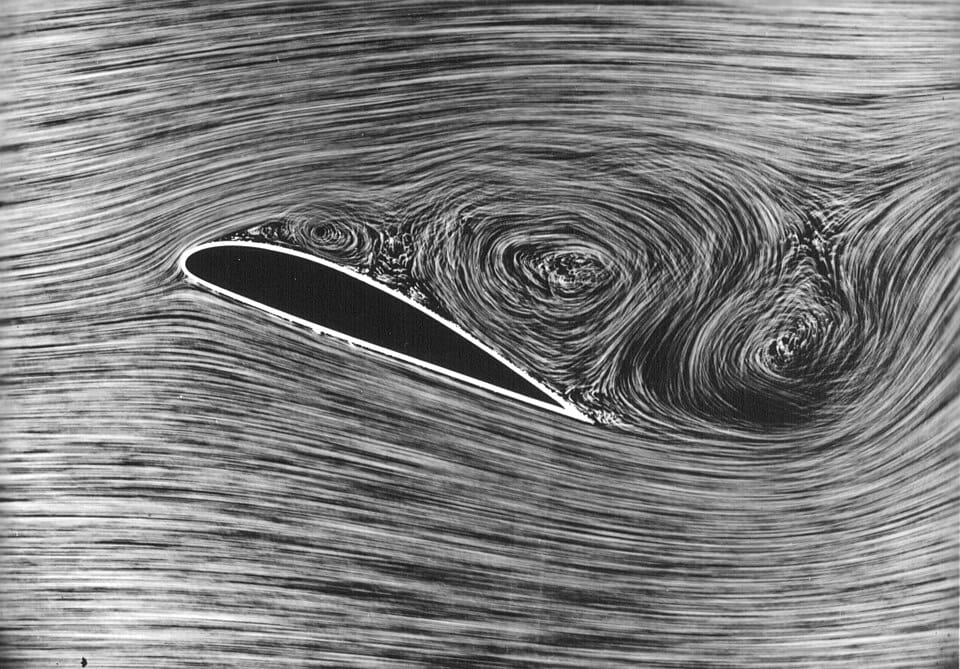
Understanding Boundary Layer Separation

When a fluid flows around a body, forces act between the fluid and the surface due to the viscosity. These intermolecular forces are the cause for the drag, among other things. However, due to the forces acting, the surface of the solid body also tries to bind the fluid to itself. This also leads to

Fluid, Fluid basics, Fluid Dynamics

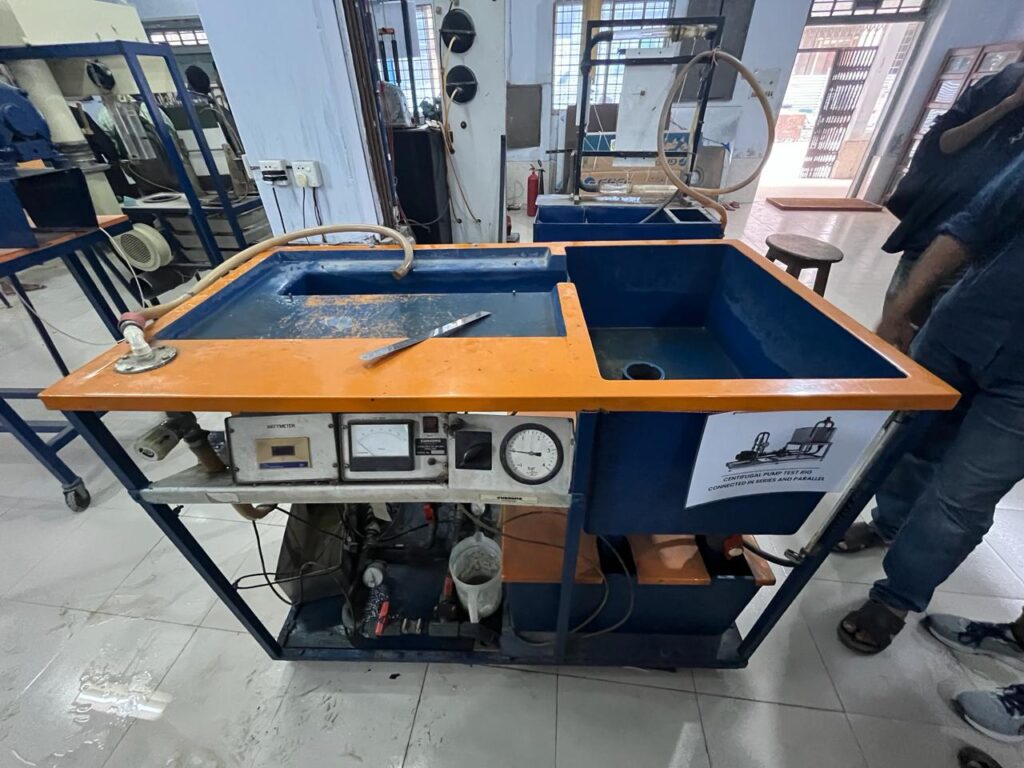
Triangular Notch (V-Notch)

Triangular V-notch weirs are a fundamental tool in hydraulic engineering, providing a cost-effective and reliable method for measuring flow in open channels. Accurate flow measurement is essential for managing water resources, monitoring the environment, and conducting hydraulic research. These weirs operate on the principle that the flow rate is related to the opening angle of

Fluid, Fluid basics, Fluid Dynamics

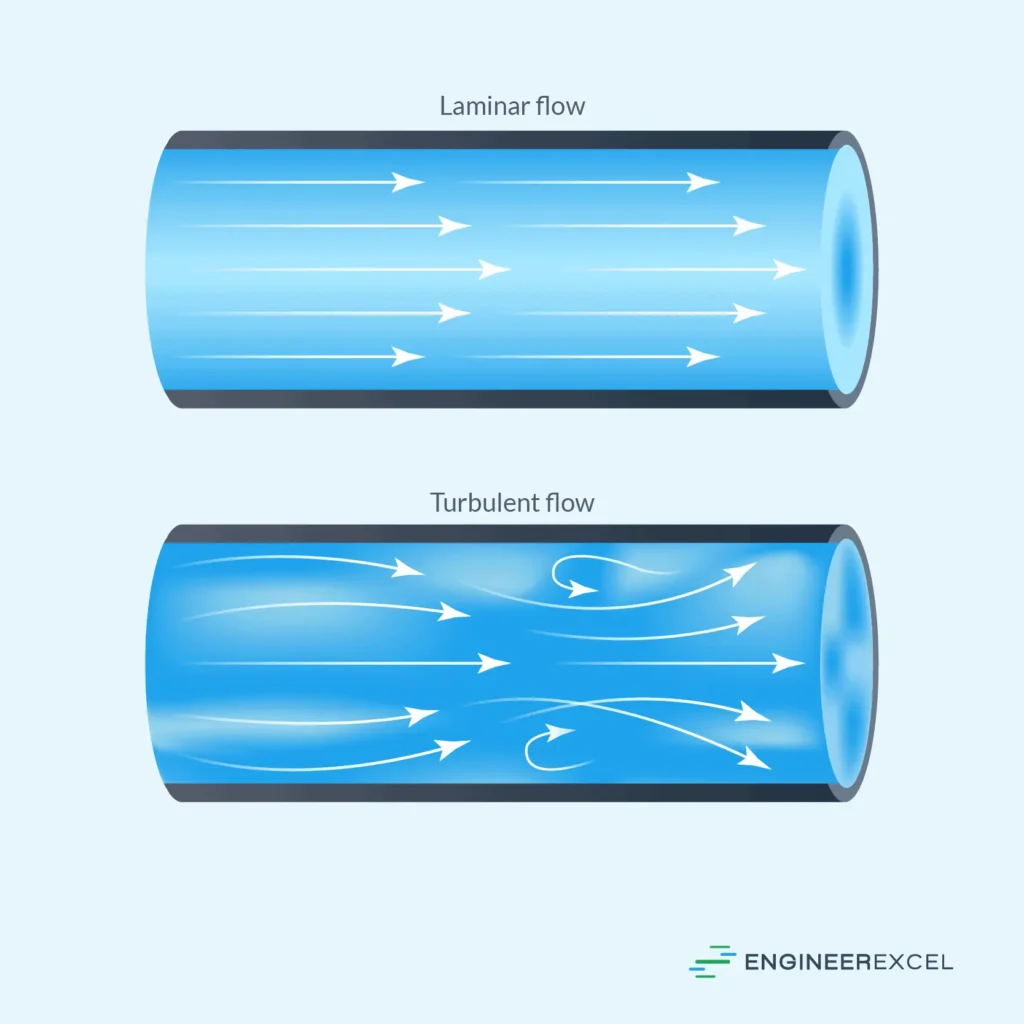
LAMINAR AND TURBULENT FLOWS

If you have observed cigarette smoke, you may have noticed that it initially rises as a smooth, steady plume before beginning to fluctuate erratically as it moves upward. Similar behavior occurs with other plumes. This phenomenon mirrors observations in pipe flow: at low velocities, the flow is smooth and orderly, but above a certain critical

Fluid Dynamics

Acceleration Field

The fundamental conservation laws—such as the conservation of mass and the first law of thermodynamics—are formulated for a fixed-identity collection of matter, known as a closed system in thermodynamics. However, analyzing a control volume (or open system) is often more practical. This requires converting those fundamental laws into forms applicable to the control volume perspective. A direct analogy exists

Scroll to Top